CyberNext Brussels 2025 will explore the current cybersecurity landscape and discuss key European Union, Member State, and transatlantic cybersecurity policy issues.
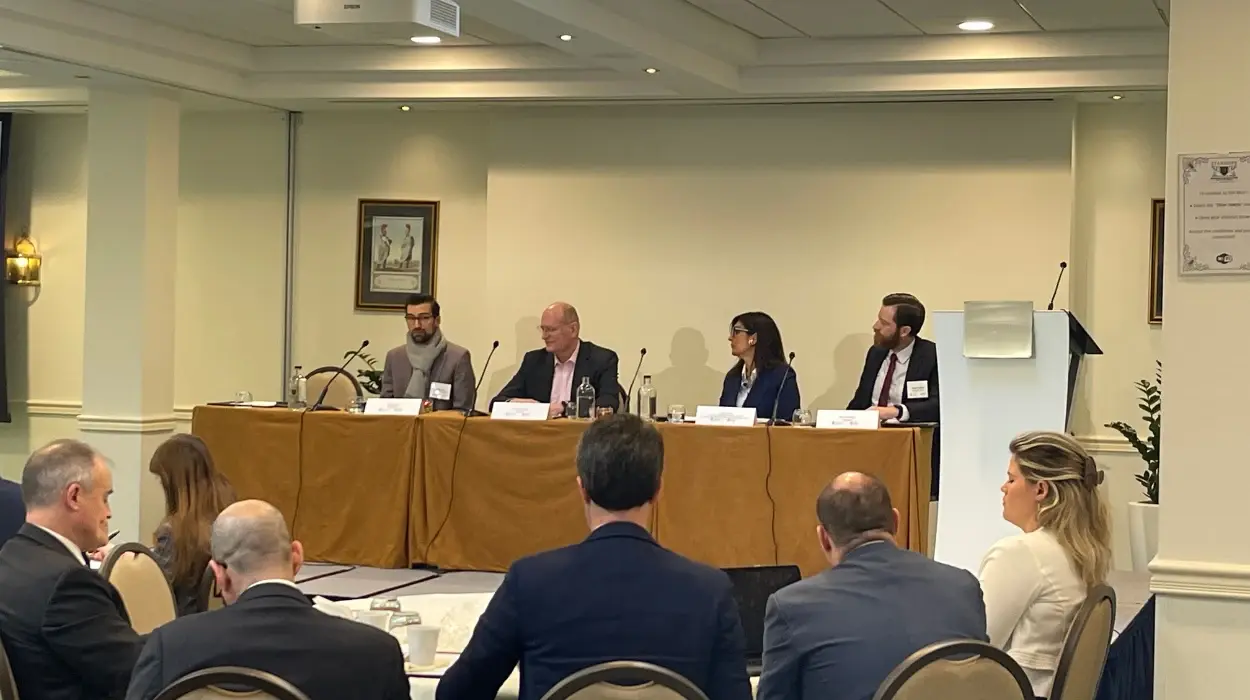
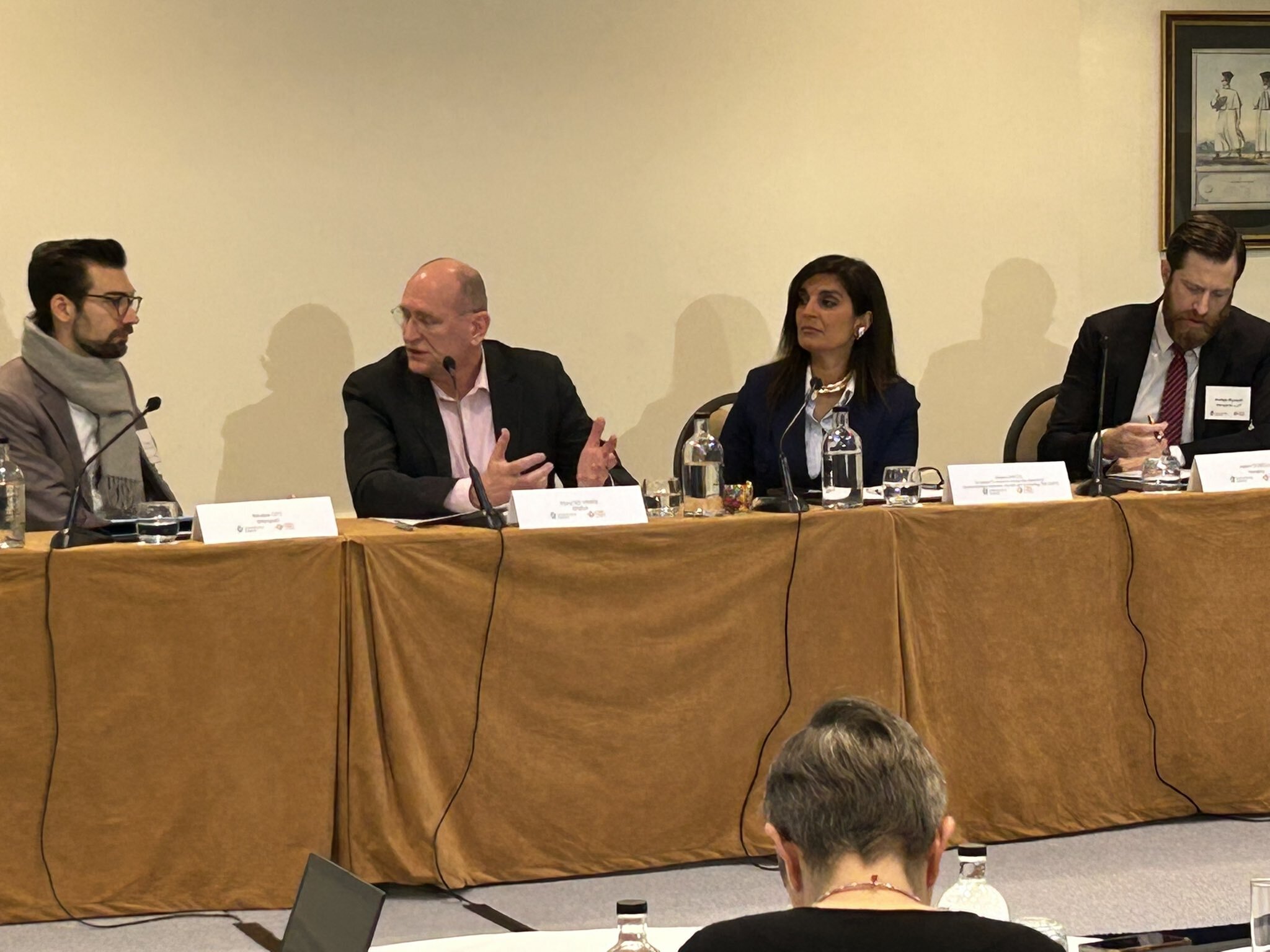
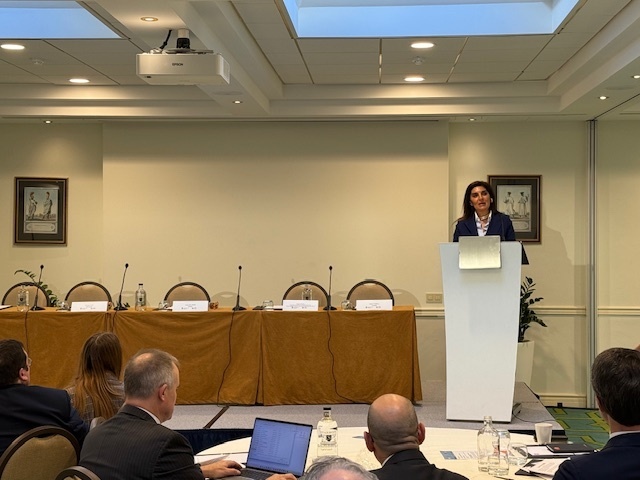
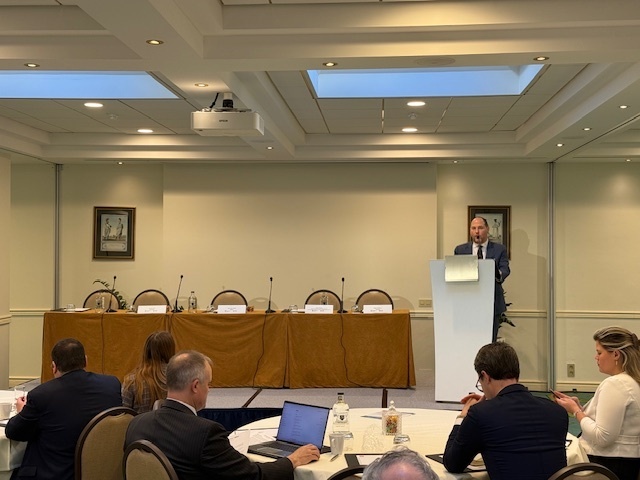
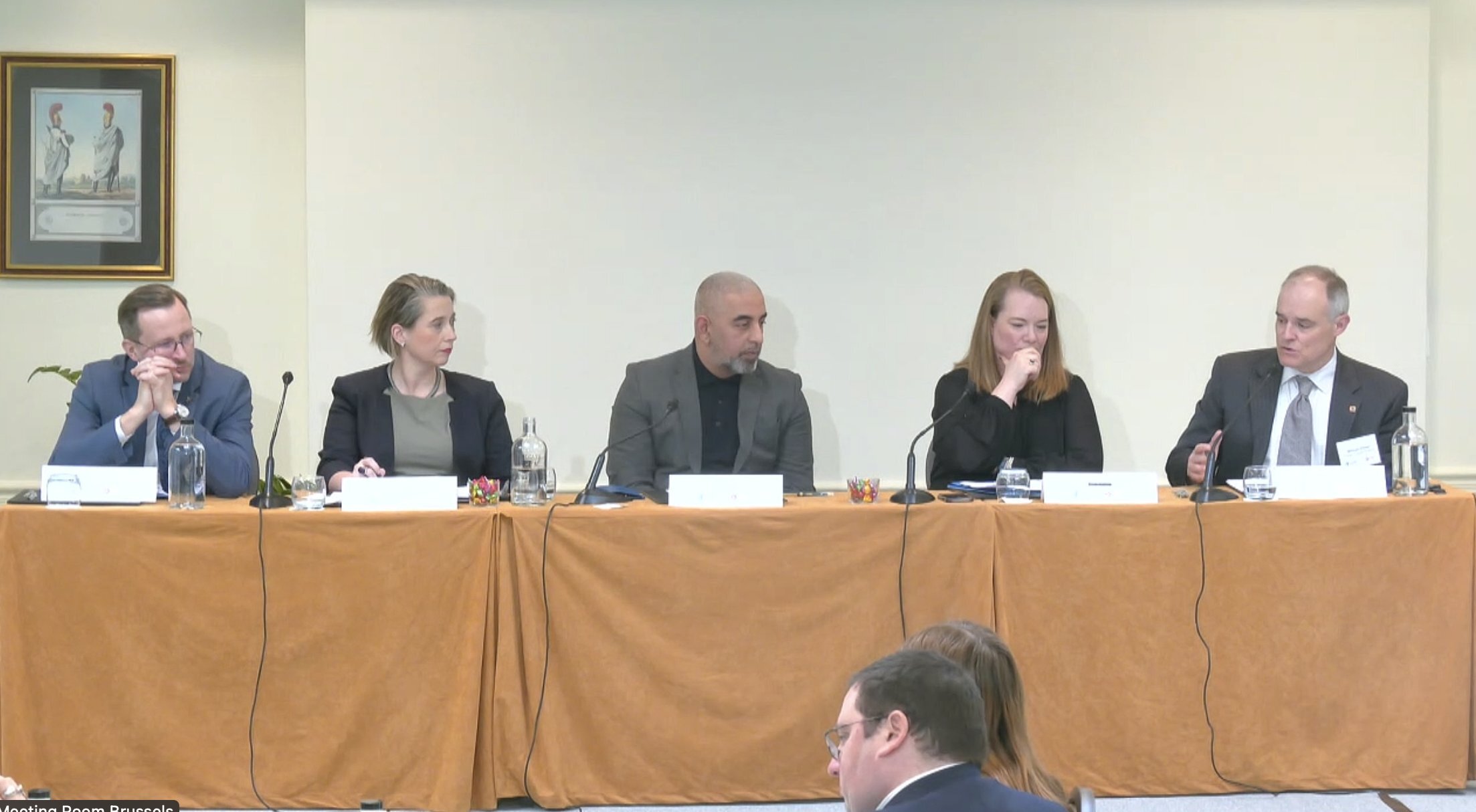
This session offers a closer look at the European Commission's cybersecurity priorities for the 2024-2029 mandate under the leadership of Commission President Ursula von der Leyen.
This session examines the implications of the December targeted amendment to the Cybersecurity Act (CSA), which enables the establishment of European certification schemes for managed security services. It also discusses the outlook for the European Union Cybersecurity Certification Scheme on Cloud Services (EUCS), with a particular focus on the ongoing debate surrounding cloud sovereignty.
This session focuses ongoing efforts to clarify, align and harmonise the European Union’s cybersecurity regulatory landscape. It discusses challenges stemming from variations in Member States’ implementation and transposition of EU regulations and directives, such as the NIS 2 Directive, as well as the complexities of cross-border cooperation in cybersecurity.
This session analyses cybersecurity threats associated with quantum computing and the policy challenges surrounding the transition to post-quantum cryptography (PQC). It also considers the role of EU institutions in supporting this transition to enhance cybersecurity and protect citizens.
This session discusses the efforts and strategies employed by the international community to provide IT and cyber defence assistance to Ukraine.
This session reviews plans to improve the cybersecurity of the European Union’s critical infrastructure, including Commission President Ursula VON DER LEYEN’s proposal for a Preparedness Union Strategy. It also discusses cybersecurity capacity assistance to Ukraine via the Tallinn Mechanism as well as the future of cybersecurity cooperation within and between the EU and NATO.
This session assesses the proliferation and irresponsible use of Commercial Cyber Intrusion Capabilities (CCICS), including ‘commercial intrusive surveillance software’ or spyware. It also discusses the Pall Mall Process – jointly led by France and the United Kingdom – which seeks to establish guiding principles and highlight policy options for States, industry and civil society in relation to the development, facilitation, purchase and use of such capabilities.